What is Bring Your Own Device (BYOD)?
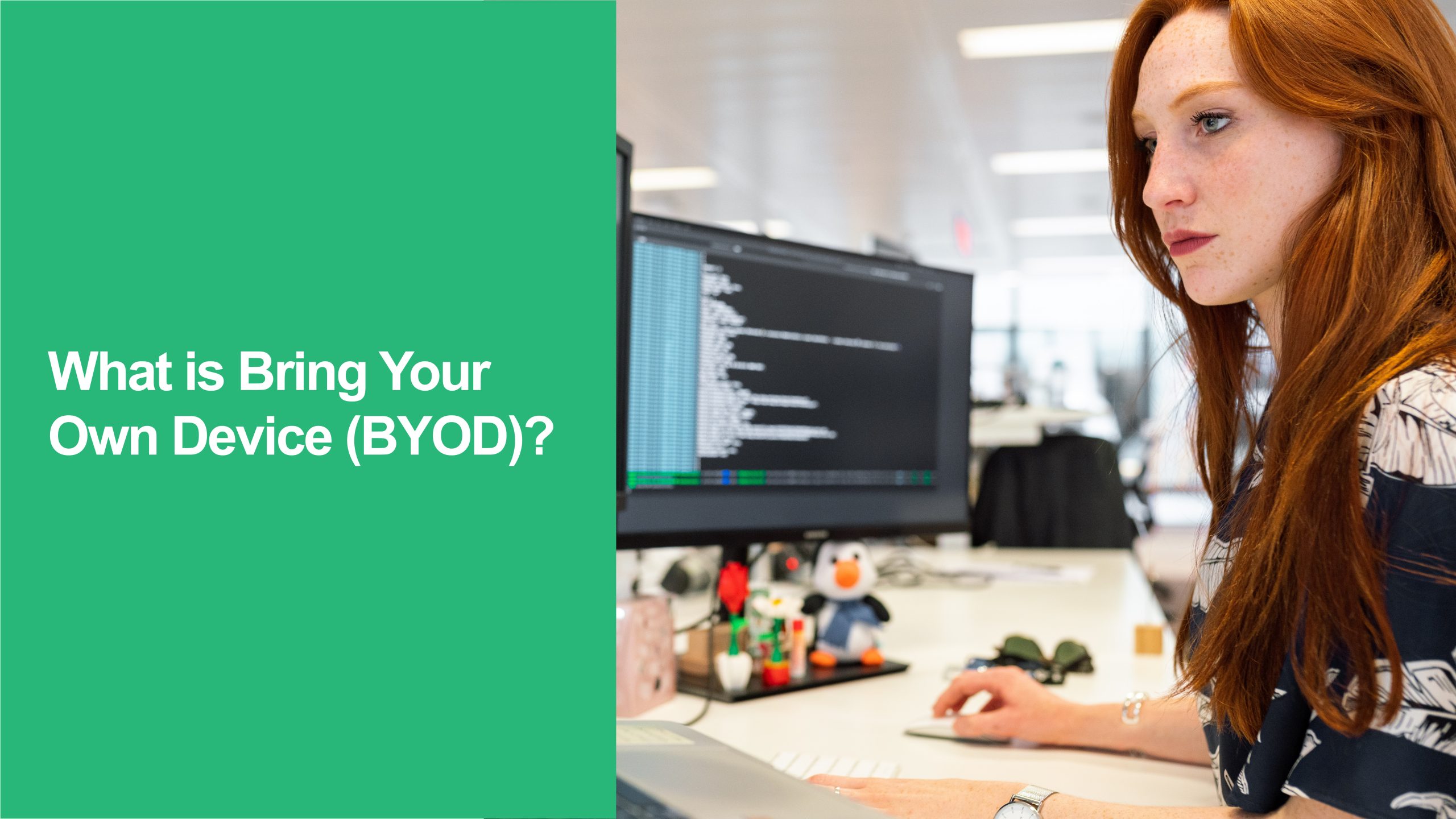
Bring Your Own Device (BYOD)
The corporate world is constantly searching for strategies to boost productivity and reduce operational costs. One approach that intertwines both objectives effectively is the adoption of Bring Your Own Device (BYOD) policies. BYOD isn't just a fleeting trend; it is reshaping the traditional office setting and bringing about a monumental shift in the way employers and employees interact with technology and work.
What Is Bring Your Own Device (BYOD)?
Bring Your Own Device (BYOD) is a policy that allows employees to use their personal electronic devices, such as smartphones, laptops, and tablets, for work-related activities. This concept has grown in popularity due to the proliferation of high-performance personal devices, the familiarity that users have with their own technology, and the flexibility it offers to the workforce.
The Evolution of BYOD
Initially, team members were provided with company-owned hardware tailored for work. But as technology integrated deeper into everyday life, lines blurred between personal and professional device usage. BYOD emerged as a natural progression, catering to the preference of users to operate on devices they are comfortable with, often more advanced than what a company might provide.
BYOD Policy Essentials
An effective BYOD policy must encompass several critical aspects including security protocols, access to company resources, and guidelines on acceptable use. Key elements include:
Security Requirements: Establishing strong security protocols to protect sensitive company information.
Device Management: Defining the types of devices allowed and implementing systems to monitor or wipe them remotely if necessary.
Reimbursement Policies: Addressing how expenses related to personal device usage are handled.
User Support: Outlining the support employees can expect when using personal devices for work-related tasks.
What it Means for Employers
The adoption of a BYOD policy can be a significant advantage for employers. Here are a few benefits and considerations:
Cost Savings: Potential reduction in hardware and operating costs since employees use their own devices.
Increased Productivity: Employees use devices they are familiar with, possibly leading to increased efficiency and job satisfaction.
Talent Attraction: Offering BYOD can be an attractive perk for recruiting tech-savvy candidates who prefer to work with their own devices.
Flexibility: Supports a flexible and mobile workforce, which can be advantageous for remote work policies.
However, employers must also grapple with challenges such as:
Security Risks: Personal devices may be more susceptible to security breaches if not properly managed.
IT Support: Ensuring the IT team is equipped to handle a diverse range of personal devices.
Legal and Compliance Issues: Navigating data protection laws and ensuring compliance when employees are using personal devices.
What it Means for Employees
For employees, BYOD often brings a sense of empowerment and convenience, but it carries its own set of implications:
Flexibility and Comfort: Using their own devices can lead to a better work-life balance and increased job satisfaction.
Costs: While using a personal device for work saves the employer from buying hardware, employees might incur costs related to device maintenance.
Potential Distractions: The merging of work and personal life can become challenging to manage, potentially leading to increased distractions.
Best Practices for Implementing BYOD
To harmonize the interests of both employers and employees, it is pivotal to implement BYOD judiciously. Here are some best practices to consider:
Comprehensive BYOD Policy: Clearly articulate guidelines that cover all aspects, including security, acceptable use, and support.
Employee Training: Equip employees with knowledge on best practices for securing their devices.
Selective Accessibility: Not all company data should be accessible on every device. Limiting access to sensitive information can be a prudent move.
Regular Policy Reviews: Technology and risks evolve; hence, BYOD policies should be reviewed and updated regularly.
Conclusion
Bring Your Own Device (BYOD) brings together the convenience of personal device usage with corporate efficiency. For employers, it can mean significant cost savings and a more satisfied, productive workforce. Employees can enjoy the comfort and familiarity of using their devices while also maintaining a level of work flexibility.
However, it is not a one-size-fits-all solution and requires careful planning, robust policies, and ongoing management to balance benefit and risk. Embracing BYOD is essentially about fostering a progressive workplace culture that acknowledges the significance of personal technology in enhancing business operations and employee experiences.
Business owners, executives, and hiring managers should contemplate the implications of BYOD in their organizational context and strategize accordingly. The right approach to BYOD can propel an organization forward, striking the perfect balance between high productivity levels and effective information security.
Related HR Terms
Human Resource Management System
Your business is only as strong as your people, and effectively managing your workforce is crucial for success. Enter the Human Resource Management System (HRMS), your ally in navigating the complexities of employee management. It's the backbone of a modern HR department, integrating advanced technology to streamline processes, maintain compliance, and boost overall efficiency. Ready Human Resource Management System Read More
Legal Compliance:
Navigating the complex web of laws and regulations can be a daunting task for any organization. Among the plethora of responsibilities that fall under a business, ensuring legal compliance ranks top for its significance and potential consequences if neglected. It is a cornerstone upon which the integrity and success of a company are built. As Legal Compliance: Read More
Baby Boomers
With waves of change constantly sweeping across the professional landscape, one demographic has remained a steadfast part of the conversation: Baby Boomers. These individuals, born between 1946 and 1964, have been a dynamic force in shaping the modern workplace. As hiring managers, executives, and business owners, it's essential to recognize the significance of Baby Boomers Baby Boomers Read More
Back Pay
Navigating the financial obligations between employers and employees can sometimes be complex, and "Back Pay" is a term that frequents the corridors of workplace compensation disputes. It is critical for both hiring managers and business owners to have a firm grasp of back pay to ensure compliance with labor laws, while employees must understand back Back Pay Read More
Background Check
Recruiting the ideal candidate involves a series of steps to ensure that the new employee is not only competent but also a good fit for the company culture. A crucial step in this process, which sometimes goes undiscussed, is the background check. This comprehensive vetting tool is essential for maintaining workplace safety and integrity. Dive Background Check Read More
We Do Your Employee Schedules
Start your free trial and we’ll migrate your data and deliver your first schedule — no templates, no guesswork. Adjust anytime or let it run hands-free.