What is Workplace Ergonomics?
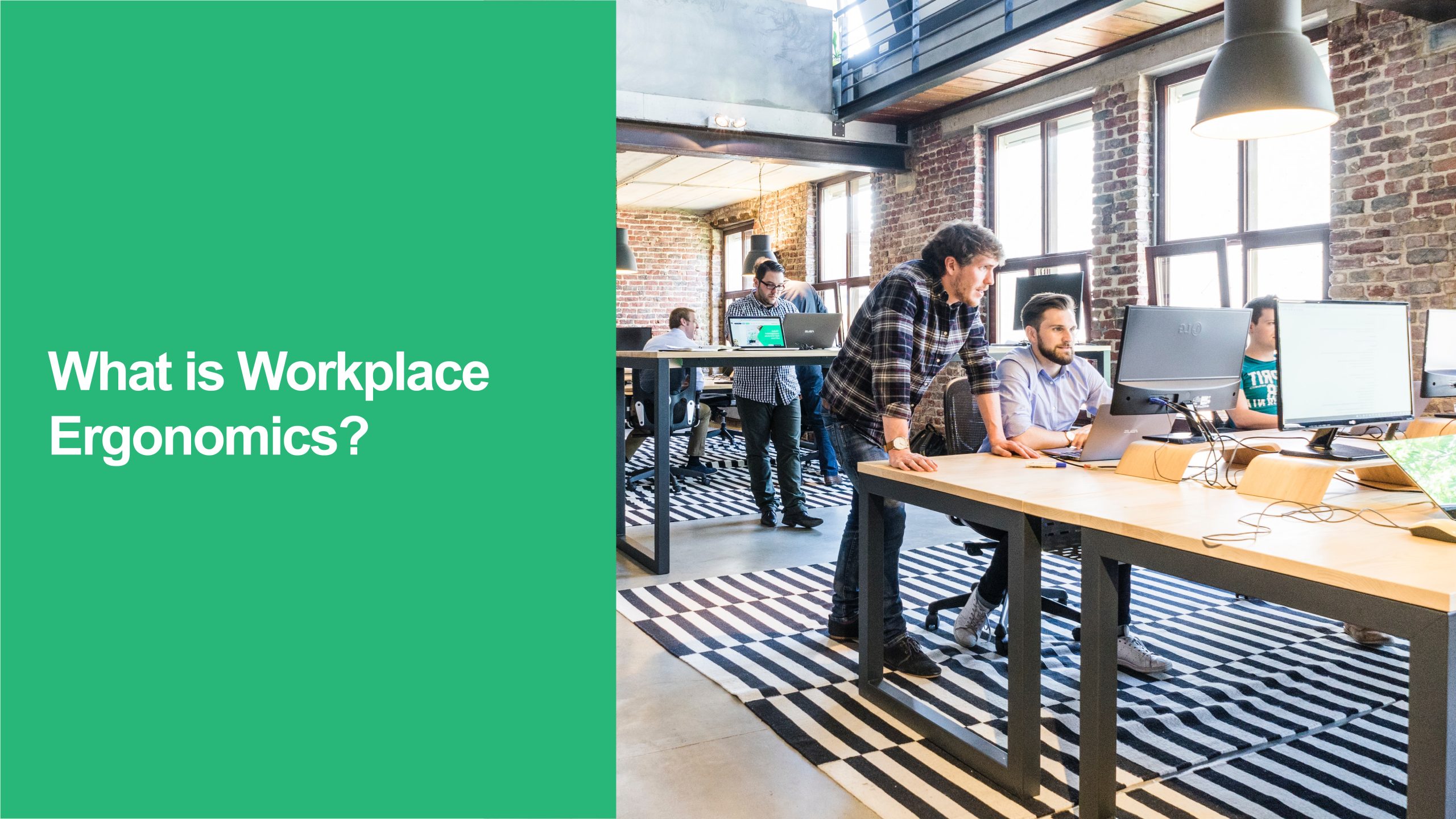
Ergonomics
Gone are the days when a one-size-fits-all approach to the workspace was considered adequate. Today, the comfort and efficiency of employees are paramount for generating positive results and maintaining health. Enter the field of ergonomics, a critical, yet sometimes overlooked, element in modern workplace design.
What is Ergonomics?
Ergonomics, derived from the Greek words 'ergon' (work) and 'nomoi' (natural laws), is the scientific discipline concerned with the understanding of interactions among humans and other elements of a system. It applies theory, principles, data, and design methods to optimize human well-being and overall system performance. Essentially, it is the process of designing or arranging workplaces, products, and systems so that they fit the people who use them.
Ergonomics in the workplace encompasses everything from the layout of an office, the type of furniture used, the equipment operated, to the physical movements required to complete tasks. The goal is to create an environment that offers comfort, increases productivity, and reduces the risk of injuries or strain.
Core Elements of Workplace Ergonomics
When dissecting workplace ergonomics, we find that it comprises several elements, each essential for a holistic approach. These elements include:
Workstation Design: The setup of desks, chairs, and computer monitors for ideal posture and minimal strain.
Task Design: Creating job duties that allow for changes in position and use different muscle groups to prevent fatigue.
Environmental Factors: Ensuring proper lighting, noise levels, and temperature for maximum comfort and focus.
Tool and Equipment Design: Crafting or selecting tools that are easy to use and don't cause unnecessary strain.
What It Means for Employers
For hiring managers, executives, and business owners, ergonomics is more than employee comfort—it is a strategic investment with measurable returns. Effective ergonomic practices can lead to:
Decreased Cost: Reducing the likelihood of workplace injuries, in turn, reduces medical claims, workers' compensation, and loss of productivity.
Increased Productivity: Ergonomic environments promote efficient work, which enhances productivity. An employee who is comfortable can perform tasks quicker and with better results.
Quality Improvement: Comfortable working conditions reduce the occurrence of work-related mistakes.
Employee Engagement: An investment in ergonomic solutions indicates that a company values its workforce, leading to improved morale and job satisfaction, and reduced turnover.
A Better Safety Culture: Ergonomics shows a commitment to safety and health, fostering an environment where employees are comfortable expressing concerns and contributing to solutions.
What It Means for Employees
From the perspective of the employees, the right ergonomic strategy can significantly impact their work life and health. Employees can expect:
Improved Health: Proper ergonomics reduces the risk of musculoskeletal disorders, eye strain, and other work-related health problems.
Enhanced Comfort: Ergonomically designed tools and spaces can reduce pain and discomfort, which can result in fewer sick days and greater job satisfaction.
More Energy: Less physical strain during the workday can leave employees with more energy for their lives outside of work.
Greater Autonomy: Tailoring an individual's workspace to their needs can give them a greater sense of control and investment in their work.
Implementing Ergonomics in the Workplace
To integrate ergonomics effectively into the workplace, businesses should consider the following steps:
Conduct an Ergonomic Assessment: Identify potential ergonomic risks in your workplace and establish a baseline for improvement.
Engage Your Employees: Involve employees in ergonomic planning since they are most familiar with the demands of their tasks.
Invest Wisely: Not all ergonomic tools and designs are equal. Evaluate products based on quality, user reviews, and long-term benefits.
Provide Training: Educate employees on the importance of ergonomics, how to use new equipment, and best practices for maintaining their health.
Regularly Reevaluate: As the business grows and changes, so should ergonomic considerations. Make it a continuous process to adapt and refine.
Conclusion
Ergonomics is not a mere buzzword—it's a cornerstone of a modern, effective, and humane workplace. For employers, embracing ergonomic principles is an intelligent business choice that can lead to a reduction in costs and an increase in productivity, quality, and staff morale. For employees, it represents a commitment to their well-being, with tangible benefits to health and work satisfaction. By understanding and implementing ergonomics, both employers and employees can participate in a positive workplace evolution that leads to success and well-being for all involved. The investment in ergonomics is an investment in people, and ultimately, an investment in the future of the business itself.
Related HR Terms
Human Resource Information System
Human Resource Information System (HRIS) is more than a buzzword in the realm of modern business. It’s an indispensable tool that orchestrates the symphony of workforce management, data analytics, and strategic planning. For hiring managers, executives, and business owners, understanding the intricacies of HRIS is akin to possessing a master key that unlocks the full Human Resource Information System Read More
E-Recruitment
E-Recruitment stands as a beacon of innovation in the field of hiring. It is a mechanism that has ripped up the rulebook and rewritten hiring strategies across the globe. As business models continue to transform in the digital age, the importance of integrating technology in recruitment processes cannot be overstated. Let's delve into the nuances E-Recruitment Read More
Earned Income Credit (EIC)
The Earned Income Credit (EIC) is one of the pivotal stipulations in taxation that benefits millions of workers each year. As hiring managers, executives, and business owners, it’s essential to have a clear understanding of how this credit affects not only your employees but also your business operations. Having this knowledge not only aids in Earned Income Credit (EIC) Read More
Earned Income Tax Credit (EITC)
As hiring managers, executives, and business owners, it's imperative that you are well-informed about the various financial mechanisms that impact both your business operations and your employees. One such mechanism that tends to be very relevant around tax season is the Earned Income Tax Credit (EITC). This federal tax relief is designed to benefit employees, Earned Income Tax Credit (EITC) Read More
Earnings
To thrive in today's competitive market, it's pivotal for both employers and employees to have a concrete understanding of earnings. This term extends beyond mere figures on a paycheck—it represents the culmination of hard work, dedication, and the inherent value of an individual's contribution to their organization. In this article, we will delve deep into Earnings Read More
We Do Your Employee Schedules
Start your free trial and we’ll migrate your data and deliver your first schedule — no templates, no guesswork. Adjust anytime or let it run hands-free.